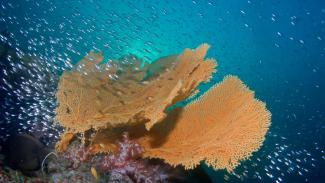
Our guide to the best dive sites in Cebu
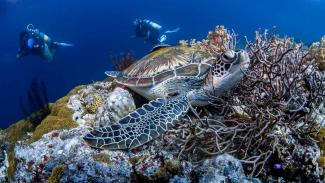
Cebu is the most accessible island in the Visayas, and home to some wonderful scuba diving.
Diving Malapascua is a thrill for more advanced divers due to regular sightings of Thresher Sharks. Oslob, to the south of Cebu City is famous for whale sharks, while you can dive on beautiful coral reefs in Moalboal or Mactan Island.
This is a great area for island-hopping, combining well with Bohol and Negros Islands.
Highlights


Best diving spots
Mactan Island
Mactan Island, just to the east of Cebu City, is the most easily reached scuba diving destination in Cebu. The east of the island drops into a deep, narrow channel that brings plenty of nutrients and enjoyable dives.
Marigondon and Pang Pang are wall dives, where divers drift in the current and admire the colourful corals and sponges that cling to the walls. Large Gorgonians are a feature of these sites and Marigondon has a large field of Garden Eels.
Looking for the latest liveaboard deals in the Philippines? Find your deal
In between these two sites is a large cave at 26m that experienced divers can visit. It is home to curious Flashlight Fish that use bioluminescence to attract their prey in the darkness. Further to the north, the wall becomes a gentle slope. Across the deep channel is Olango Island. This has a couple of good sites, with a nice drop-off at Santa Rosa and the chance to see Sharks and other larger species around Baring.
Oslob
Oslob, south of Cebu City has sprung to fame in recent years as a destination to dive with or swim with Whale Sharks. Sightings are very consistent, with a relationship between the local fishermen and Whale Sharks. Oslob can be visited with diving from Moalboal or Mactan Island, and also features on some liveaboard itineraries.
Moalboal
On the western coast of Cebu is Moalboal. The star of the Moalboal area is Pescador Island. This small island has a huge variety of marine life and very interesting topography. The Cathedral is a funnel-shaped cave pierced by the sun’s rays. The shallow fringing reef gives way to an impressive drop-off, where Whitetip Reef Sharks and sometimes Hammerheads can be seen. Very occasionally, Threshers & Tiger Sharks are spotted too. Numerous colourful reef-fish call this island home and Spanish Dancers are sometimes spotted floating along the reef.
Badian Island is another good site, while for experienced divers, the deep sea-mound of Lambung is a great place to find large schools of fish & plenty of action in the blue, including Manta Rays. There is also good shore diving from the beach around Moalboal.
Malapascua
Just off the north coast of Cebu Island, Malapascua has excellent diving. More advanced divers flock to Monad Shoal, otherwise known as Shark Point. As the name suggests, this is a great spot to find Sharks. Beautiful, elusive Thresher Sharks are frequent visitors to this underwater plateau, as are Silvertip Sharks and even Manta Rays. The site is quite deep, starting at 18 metres, so is not recommended for beginners. It is one of the best places in the world to dive with Thresher Sharks.
Capitancillo Island has an excellent wall dive. Again, this is a pretty good spot for Manta Rays, as well as Tuna & large Groupers. The reef here is teeming with life. Kimod Reef is another good spot for larger sightings, including several Shark species, Eagle Rays & Mantas. Quatro Island has beautiful coral gardens and interesting caves to explore.
Gato Island has an unusual tunnel going right under the island. Whitetip Reef Sharks are common, both in and out of the tunnel. The site has plentiful soft corals, plus good macro life.
Sumilon Marine Park
In the far south of Cebu, Sumilon has more excellent diving. The Philippines’ first marine park has gin-clear water, plummeting drop-offs, huge gorgonians and occasionally pelagic species.
When to dive
The best time to dive Cebu is between October and May, but the area offers excellent scuba diving year round. June to September can be more humid, but the area remains enjoyable. The area lies in the Typhoon Belt, meaning there is a risk of Typhoons from June to November, but it is far enough south that this is rare.
Getting there
The best way to reach Cebu is to fly to Cebu Mactan Airport, which has flights from both domestic and international destinations. From here, it is relatively easy to reach the island's major dive bases. Mactan is only a short drive away, while Moalboal can be reached in around 90 minutes. Malapascua Island is a longer journey by road to the north of the main island and then a short boat ride. For those looking to island hop, there are also ferry connections with Bohol Island and Negros Oriental.
Activities
The main activities are scuba diving, snorkelling and enjoying the beautiful beaches. It is also possible to try other water sports or simply explore the area. There are plenty of nice restaurants and bars, but the atmosphere is generally laidback rather than lively.
Resort and liveaboard options
There are resort options in all the good diving areas around Cebu Island, with plenty of choice available. Some of the best value options are in Malapascua, but there are excellent dive resorts and accommodation options in Moalboal & Mactan as well.
To see the much more of the region on one trip, some choose a liveaboard itinerary of the Visayas islands departing from Cebu City.
Liveaboards in Cebu
Whatever your budget, liveaboards represent a superb way to dive Cebu and her neighboring islands. While liveaboards might represent a higher upfront costs, generally accommodation, all meals and a large number of dives are included.
Itineraries vary in length from 6 to 11 nights, generally leaving from and returning to Cebu. Some itineraries take in the southern region including Moalboal, Sumilon and Oslob. Southern Visayas liveaboards also focus on the dive sites of Dauin and eastern Bohol.
Other itineraries head north to take in Malapascua, generally instead of Dauin, also visiting Bohol and dive sites on the eastern side of Cebu Island. There are also itineraries available that combine Malapascua with the dive sites of Southern Leyte.
Longer itineraries tour the entire region, taking in Dumaguete (Dauin), Moalboal, Malapascua, Mactan, Oslob and Bohol.

Big Dodzy

Tara North
You might also enjoy...
Subic Bay
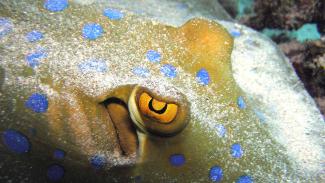
Subic Bay is all about wreck diving. This area of Luzon has a rich maritime history and was a key harbour in WWII, resulting in excellent diving options for wreck afficanados.
The wrecks of Subic Bay are not the only option for divers on the island of Luzon however. Others may also wish to explore Nasugbu to the south, or La Union to the north.
Scuba diving in Borneo - 7 key questions answered

Tara North
For most people, Borneo conjures up visions of pristine rainforests and incredible wildlife encounters. This is all true, however for scuba divers, the magic continues beneath the blue.
Scuba diving in Borneo promises world-class dive sites, vibrant reefs and incredible marine life, from the green turtles of Sipadan Island to remote and spectacular diving in Borneo Indonesia.
Dive equipment guide
Enshadi
All the equipment involved in diving can seem a little intimidating to a newcomer. You are likely to be wondering what on earth a Regulator is, what BCD stands for, what a split fin might be & how many millimetres your wetsuit needs to be.
There's no need to feel intimidated though. Our beginner's guide to dive equipment will take you through the basics and help you feel a little more at home with some of the terminology.
Nha Trang
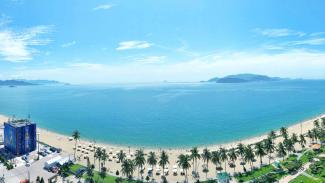
Nha Trang, just south of Vietnam’s most easterly point, is the country’s main diving mecca & its most popular tourist spot.
Just off the coast of this bustling tourist destination is the Hon Mun Marine Park, a beautiful group of islands with very good diving, especially for fans of smaller life.
Nha Trang is the most popular spot in Vietnam to learn to dive.
Choosing the right dive center
Behang
If you are learning to dive or taking a diving course, it is important to have the right people around you and to learn in the right environment. Likewise, if you are already a diver who is planning a diving break, you want to make sure your dives are remembered for all the right reasons.
Similan & Surin Islands