Everything you need to know about diving around Walindi
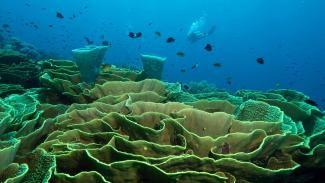
Kimbe Bay is on the island of New Britain, a large island running east to west that separates the Solomon Sea to the south from the Bismark Sea to the north.
The area is known for its stunning coral formations and boasts a huge diversity of marine life, from Dolphins, Sharks and Whales to endless tiny invertebrates.
Incredibly, around seventy percent of all Indo-Pacific marine species can be found in the area. Kimbe Bay is also one of the most famous spots in the world for underwater photography.
Highlights


Best diving spots
There are almost 200 charted reefs around Kimbe Bay, from shallow fringing reefs to plunging walls and pinnacles. Incredibly, around seventy percent of all Indo-Pacific marine species can be found in the area. Kimbe Bay is also one of the most famous spots in the world for underwater photography.
Just a few minutes from Walindi is Hanging Gardens. Here you will find huge, beautiful sponges reaching out from the reef and many colourful corals that are home to a wealth of smaller marine life, especially Nudibranch’s and Invertibrates.
Christine’s Reef is another popular spot, particularly with photographers - with stunning shallow coral gardens and a superb variety of life. Susan’s Reef is an underwater ridge that runs to a larger reef. Large, colourful soft corals are plentiful here. Huge gorgonians hang on the ridge, while lots of vibrant red sea whips and large sponges provide an impressive visual spectacle.
Further out in deeper waters are North & South Emma. These large coral outcrops reach to within a few metres of the surface from abyssal depths and attract pelagics aplenty. North Emma has a main reef, with ridges connecting this reef to deeper, outlying pinnacles. Hammerheads are common here, with lucky divers enjoying encounters with numerous Scalloped Hammerheads and maybe other Shark species. There is an almost endless variety of life on the reef itself as well.
South Emma is similar to North Emma, but with possibly an even great diversity of marine life. A kaleidoscope of colourful corals hide tiny critters, reef-life is abundant and Barracuda, Trevally & Tuna provide a constant spectacle in the blue.
If Sharks are your thing, Kimbe Island Bommie is the place to go. Numerous species of Shark congregate in the current here, providing an adrenaline-filled show. Other large predators such as Rainbow Runner, Tuna & Trevally buzz around the coral bommie too. Other great sites for pelagics that can be reached from Walindi are Otto’s Reef, Agu Reef and Bradford & Inglis Shoals.
If you visit the area by Liveaboard, you may also venture father afield to Ftaher's Reef or Witu Islands. Here, the current feeds truly impressive soft coral gardens and large pelagic species, including no shortage of Sharks. Dolphins are commonly encountered here too. The Witu Islands are gaining a reputation as a great muck-diving spot, with many interesting Nudibranch’s and other unusual critters nestling amongst the sand and rubble.
When to dive
The region can be dived all year round, but the best conditions are normally from August to December & again from February to May.
Getting there
To reach the area, take the spectacular flight from Port Moresby to Hoskins, the capital of New Britain. From Hoskins, it is a 45 minute drive to the Walindi Plantation Resort.
Activities
For those not exhausted from exploring Kimbe Bay's underwater treasures, the area around the plantation is also very beautiful & well worth exploring. For those looking for more relaxing pursuits, the resort has its own pool, restaurant and bar.
Resort and liveaboard options
The resort, which is based in an 800 acre plantation and overlooks the bay, has 12 well appointed seaview bungalows for guests. It is a dedicated dive resort. A stay here should definitely be booked in advance as the resort is very popular. It has previously been voted the best land-based dive resort in the world.
You might also enjoy...
Madang
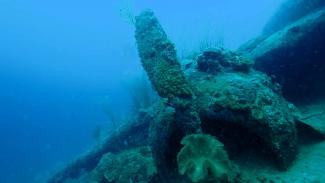
Madang is a bustling town on the north coast of Papua New Guinea.
It is also renowned for some superb diving and its unique marine environment is of great interest to scientists, with new species regularly found here.
Milne Bay
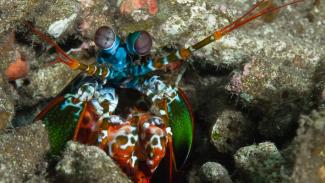
Milne Bay can be found at the south-eastern tip of mainland Papua New Guinea, separating the Soloman Sea from the Coral Sea to the south.
It is a beautiful & charming place, with lush mountains, lovely beaches, picturesque villages and friendly people.
Kavieng
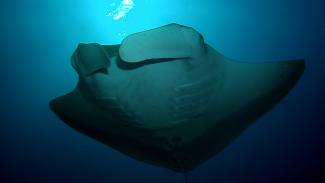
Kavieng is a small, friendly town on the northern tip of New Ireland - a long thin island to the east of Papua New Guinea that separates the mighty Pacific Ocean from the Bismark Sea.
This tranquil retreat was the scene of intense fighting towards the end of the Second World War between the Japanese & Allied forces.
Tufi
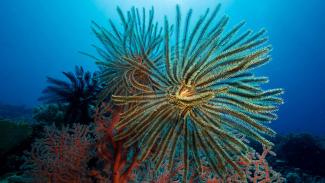
The Tufi region of PNG is without doubt one of its most beautiful. Situated on the northern coast of the mainland, the area has numerous stunning fjords, stretching like huge fingers from the mainland to the sea.
The calm waters of the fjords are home to incredible macro life, and also some wrecks, while many outward facing sites have world class reefs and a wide array of large pelagics to admire.
Boracay
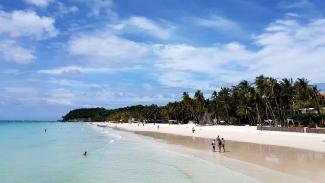
Just off the northern tip of Panay Island, south of Mindoro is the small island of Boracay.
Famed for its white, powder sand beaches - reputed to be some of the world’s best - Boracay is one of the Philippines’ most famous tourist spots and is now open to visitors once again.
The island is also one of the most popular places to learn to dive in the Philippines, with a wide range of dive sites to suit all levels.
Underwater photography etiquette

Tara North