The island of Bohol lies just to the east of Cebu in the Viasayas region of the Philippines and is a popular island for tourists.
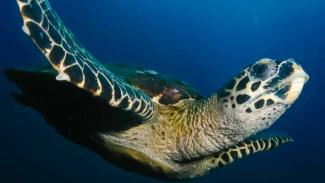
The area's diving is also a major attraction, with great macro life, plentiful turtles and lovely coral reefs. Good diving options are available on the west coast, and also the quieter south-east region of Anda.
Bohol is home of the Tarsier, a very rare little primate that is only found in this region of the world. The Chocolate Hills, are also a popular attraction.
Highlights


Best diving spots
The area's diving is also a major attraction, with great macro life, enjoyable reefs and a healthy helping of turtles.
The most easily accessible spot around Bohol is Panglao Island - just a short distance from the capital, Tagbilaran. Here, there are shallow reefs that hide Nudibranchs, Ghost Pipefish, Frogfish & Stonefish. There is also good wall-diving at Napaling & Puntod. Banded Sea Kraits are common in this area.
Off the south-western tip of Panglao Island is the Balicasag Marine Park. Balicasag is often compared to Sipadan in Malaysia and some people consider this island to have the Visaya's best diving. The small island’s reefs drop-off into oblivion (721 fathoms to be precise) and are a great place for big fish encounters. Turtles and Napoleon Wrasse are common and Schools of Trevally sometimes engulf the unsuspecting diver. Sharks are not uncommon and the wall has superb hard & soft corals.
To the east, Cervera Shoal, while not the area’s most beautiful site, has a colony of Banded Sea Kraits and is another good place to look for Sharks. Due to the profusion of Sea Kraits, it is also sometimes known as Spaghetti Shoal.
Further east again, Pamilacan Island means ‘resting place of Mantas’. These days, they are only occasional visitors, but even if they don’t make an appearance, the diving is still very good.
Up the coast of Bohol is Cabilao Island - another famous diving spot. The area has strong currents, which feed impressive soft coral gardens. The area has excellent macro life as well - with Pygmy Seahorses, Frogfish & plenty of Nudibranch’s hiding amongst the corals.
To the south-west of Bohol lies a region called Anda, which is also gaining a reputation for excellent diving, with a number of good dive resorts to choose from.
When to dive
The best time to dive Bohol is probable between November & May, however the area offers excellent diving and largely pleasant weather year-round.
Getting there
There are a few options to reach Bohol. The island has its own airport with flights from Manila, making for a convenient option. There are also regular ferry connections from Cebu, the Philippines second city which also has an international airport. Finally, there are also ferry connections from Dumaguete, another popular diving area to the west.
Activities
Diving is not the only activity here. Panglao has beautiful beaches and lively nightlife, while other area are much quieter. On Bohol, there are treks and nature trails plus the Chocolate Hills, Bohol's most famous landmark.
Resort and liveaboard options
There are many resort options in and around Bohol. For those looking for great beaches, a lively vibe and good diving, Panglao island is a popular option. Cabilao Island or the up and coming area of Anda to the south-east of Bohol also offer excellent diving and a quieter ambience.
A number of liveaboards spend part of the year touring the excellent dive sites of the Visayas region, including Bohol. Itineraries on offer are generally six or seven nights in duration, but occasionally longer.
You might also enjoy...
Lembeh Strait
Lembeh Strait separates little Lembeh island from the north-eastern shores of Sulawesi. It is famed for its exceptional muck diving.
The coastline either side of the Lembeh Strait has a rugged beauty, but it is the action below the waves that draws divers here.
Asia's endangered species
Tara North
Asia is home to some of the most diverse habitats in the world, both above and below the water, but it is estimated that more than one in three species are endangered... and the figure is rising alarmingly fast.
Underwater, a whole range of pressures are putting marine life under immense pressure. Intense population pressure is leading to over-fishing, pollution and the destruction of crucial habitats.
Dummie's guide to camera kit
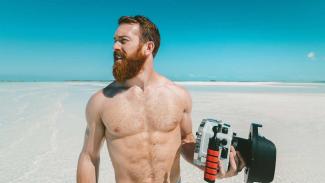
Jakob Owens
Do you struggle to know your arm from your socket, your port from your bracket, your flash from your fisheye and your light from your lens?
Well, you're not alone. Underwater photography has it's own dictionary of parts, accessories & technical terms and it's tough to sound like an expert.
Tunku Abdul Rahman
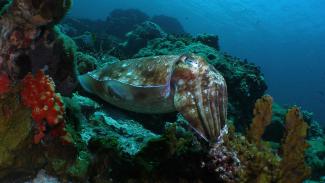
Just off the coast from Kota Kinabalu, Sabah's regional capital - the five islands that make up Tunku Abdul Rahman National Park are often overlooked by divers heading straight to Sipadan in the south.
The national park, which is named after a former Malaysian president, has some very good diving though, with pretty fringing reefs sloping gently down from white-sand beaches, plus some rare & unusual species.
Tufi
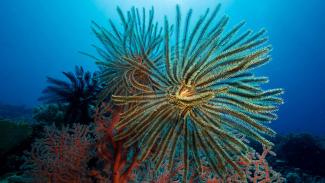
The Tufi region of PNG is without doubt one of its most beautiful. Situated on the northern coast of the mainland, the area has numerous stunning fjords, stretching like huge fingers from the mainland to the sea.
The calm waters of the fjords are home to incredible macro life, and also some wrecks, while many outward facing sites have world class reefs and a wide array of large pelagics to admire.
Bunaken National Park