Outstanding, yet accessible Philippines diving
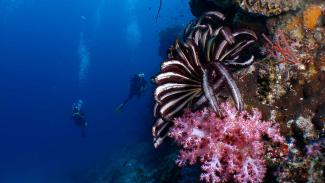
Originally a safe harbour during typhoons, Puerto Galera has become one of the Philippines' most popular tourist & diving destinations.
Situated only 150km south of the capital Manila, the curious geography of the area has created not only a perfect natural harbour, but also many picturesque beaches and coves to enjoy.
Under the waves, about 40 dive sites have now been charted, ranging from easy dives for novices to current-swept drift dives for experienced divers looking for a thrill.
Highlights


Best diving spots
One of the most popular sites is Hole in the Wall. Stepped terraces of beautiful table corals lead down to a swim-though at around 15m, known as The Hole. The entrance to the swim through is covered in soft corals, sponges and colourful crinoids and sweepers gather for protection inside.
Swimming through The Hole brings you out onto The Canyon, a series of three current swept ravines. Here, you will be taken by the current and propelled over the ravines, through schools of Snapper & Trevally, past hunting Tuna and over bustling coral reefs. Whitetip Reef Sharks and Hawksbill Turtles can be seen here too.
Looking for the latest liveaboard deals in the Philippines? Find your deal
If adrenaline is your thing, Fish Bowl & The Washing Machine are also a must. These are most definitely only for experienced divers as the current can take you and your bubbles in almost any direction, but you will be rewarded with prolific fish life and plenty of action. Sharks are common, including Grey Reef Sharks and large Tuna & Barracuda can be seen too. Nearby, Shark Cave is a refuge for Whitetip Reef Sharks taking a snooze. Outside the cave, Barracuda lurk in the blue. From time to time, Hammerheads and even Whalesharks are spotted here.
For novices and those who prefer their diving a little more relaxing, Coral Gardens is an easy, colourful dive that is also popular with snorkellers. Dungon Wall makes a very nice dive, with colourful corals and a profusion of reef-life, while Sabang Junk is a Vietnamese wreck sitting on a coral slope in front of Sabang Beach. Many macro delights call this wreck home, including Frogfish & Pygmy Seahorses.
There are numerous other wrecks in the area too. Monkey Wreck & Japanese Wreck are deep wreck dives for advanced divers, St Christopher is a retired Liveaboard sunk to create an artificial reef and MV Alma Jane sits perpendicular to the sea floor, making an interesting dive with a great swim-through.
Out in the channel between Mindoro & Luzon islands is a small island called Verde Island. There are beautiful fringing reefs all round the island, but the most popular site is a superb wall dive. Huge corals of every hue & colour cling to the wall and reef-life is prolific. There is a great chance to encounter larger fish here as well. Napoleon Wrasse often cruise the wall, while Tuna & Reef Sharks patrol the blue. Eagle Rays and Mantas can be seen too. In more exposed locations, currents can be fierce. This helps to create the vibrant healthy reefs, but divers should take care and take the necessary safety precautions at all times.
When to dive
The weather here falls in two main seasons - the dry season, from November to May and the wet season, from June to October. Diving conditions are generally best between February & May.
Getting there
To reach Puerto Galera take a flight to Manila, the Philippines capital. From there, head south through Luzon, either by car or bus to Batangas Pier. From here, you can take a car ferry or speedboat to Puerto Galera. Some resorts arrange transfers from Manila airport for their guests.
Activities
Away from the diving, there is plenty of activities to entertain you including lively nightlife, beautiful beaches, tours, watersports, shopping & even paintball.
Resort and liveaboard options
There are plenty of dive resorts to choose from in Puerto Galera, which is one of the most popular tourist spots in the Philippines. The settlement is very compact, and can feel busier than some other areas in the Philippines.
Puerto Galera also acts as the departure point for some liveaboard itineraries taking in Apo Reef and Coron Bay.
You might also enjoy...
Langkawi
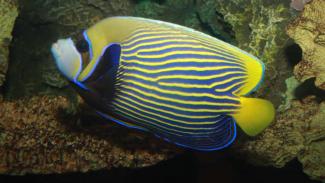
Situated on the west coast of Peninsular Malaysia, close to the Thai border, is the island of Langkawi.
The island is one of Malaysia’s most popular tourist spots, with great beaches, beautiful scenery, great shopping and plenty to do.
Similan & Surin Islands
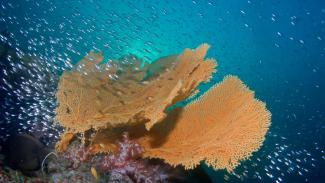
The Similan Islands in Thailand are the country's most famous diving destination, offering great visibility, stunning corals and prolific marine life.
Accessed primarily by liveaboard, the Similan Islands are in a strictly controlled marine park and are considered by many to be the crown jewels of Thailand’s diving. As well as the diving, they also offer picture perfect beaches and unspoilt habitats.
Togian Islands
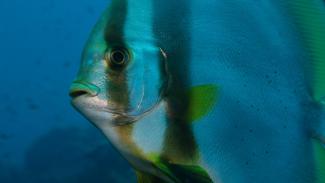
The remote Togian Islands lie in the middle of Tomini Bay in central Sulawesi. While difficult to reach, the islands offer great conditions for scuba-diving all year round.
Protected on almost all sides by the tentacle-like arms of Sulawesi, this large bay is reputably the calmest in the world.
Nha Trang
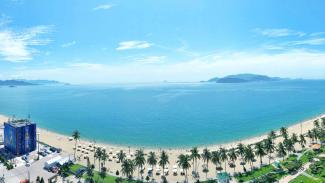
Nha Trang, just south of Vietnam’s most easterly point, is the country’s main diving mecca & its most popular tourist spot.
Just off the coast of this bustling tourist destination is the Hon Mun Marine Park, a beautiful group of islands with very good diving, especially for fans of smaller life.
Nha Trang is the most popular spot in Vietnam to learn to dive.
Southern Leyte
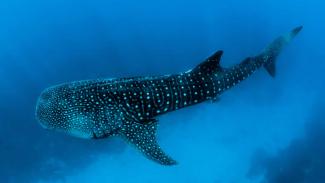
Southern Leyte may not be as famous as some of the Philippine's more celebrated diving spots, but don't let that fool you.
Leyte is the most easterly island of the Visayas region, and the island is also the least developed. It boasts exceptional scuba diving.
Currently, diving here is concentrated in Southern Leyte, which is gaining a reputation as one of the best places in the Philippines to see Whale Sharks.
Scuba diving in Borneo - 7 key questions answered

Tara North