Wonderful walls and coral reefs for all levels of diver
Sebastian Pena Lambarri
Situated off the northern coast of Sulawesi, Bunaken provides a variety of excellent dive sites.
A marine park since 1991, it is one of Indonesia's most famous diving spots.
The nutrient-rich waters result in vibrant and healthy reef eco-systems, with a high level of bio-diversity and superb marine life sightings.
The marine park comprises of four islands and numerous dive sites, with options for both beginner and advanced diver. Bunaken is reached via the port city of Manado in Sulawesi.
Highlights


Best diving spots
There are fantastic dive sites all around the islands. Many of the sites are wall dives. Lekuan I & II are hugely popular wall dives, Mike’s Point & Sachiko Point bring the chance of plenty of big-fish action, while Muka Geraja has a beautiful wall with many caverns & overhangs. Barracuda Point, as you might expect, often has huge schools of Chevron Barracuda and Siladen is another excellent site, especially for the chance of larger visitors.
For beginners and those looking for the Bunaken's more enigmatic marine life, there are many options too. Tasak Ria, Meras & Celah Celah are easy dives that are home to many of the area's unusual critters.
There is also a shipwreck, known as the Molas. The history of the wreck is unclear, bar the fact that it sunk in 1942, but it is in excellent condition & makes for an interesting dive with plenty of things to see. Due to the depth, it is a dive for more experienced divers only.
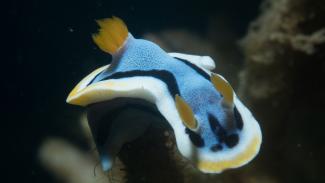
The dive sites of Bunaken are well known for barracuda, jacks, turtles, Napoleon wrasse, bumphead parrotfish and a myriad of smaller critters such as frogfish, leaf scorpionfish & pygmy seahorses. If that’s not enough, the corals are spectacular too.
All in all, the park has well over 30 different dive sites, and the variety on offer cannot fail to please divers of all levels.
When to dive
Bunaken can be dived all year, but the best diving conditions are between April and October in the dry season. January & February are the only months to consider avoiding for this region.
Getting there
Bunaken is not so difficult to reach as it is close to Manado, one of Sulawesi's two major cities. Manado has an airport with flights to Makassar in the south of Sulawesi and also Bali, Jakarta, Surabaya & Balikpapan. There are now a few international flights aswell, linking Manado to Singapore, Malaysia & the Philippines. From Manado, it is a simple boat trip out to Bunaken. For those looking to do things the hard way, it is also possible to reach Manado by bus and ferry.
Activities
Aside from diving, there is not a great deal else to do on Bunaken. It is a great place for snorkelling as the corals start right from the beach. On the mainland, there are plenty of activities, including trekking, nature walks, golf & shopping.
Resort and liveaboard options
Bunaken is best dived from resort, with options to suit most budgets on the islands of the national park and also on the mainland, oppostie the national park. Being on an island is possibly the more idyllic and romantic choice, however being on the mainland offers more activity options aside from scuba diving.
This region does not tend to see liveaboards as all dive sites can be reached easily from land.
You might also enjoy...
How to photograph a Clownfish
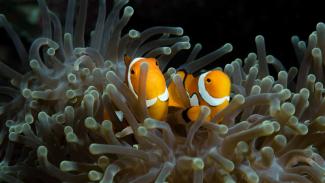
Clownfish are great subjects for underwater photographers.
Not only are they colourful and full of character, but they are also one of the most iconic and well recognised fish in the sea. A good Clownfish photo nevers fails to provoke a reaction from your audience.
They are also a very tricky subject to photograph, leaving many budding photographers frustrated.
So what can you do to get a great shot?
Kimbe Bay
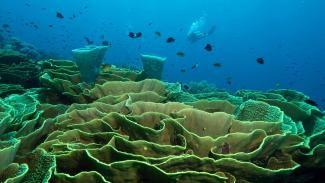
Kimbe Bay is on the island of New Britain, a large island running east to west that separates the Solomon Sea to the south from the Bismark Sea to the north.
The area is known for its stunning coral formations and boasts a huge diversity of marine life, from Dolphins, Sharks and Whales to endless tiny invertebrates.
Setting up your underwater housing
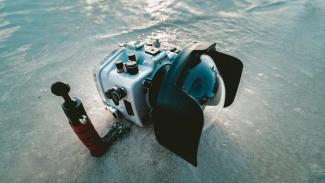
Have you recently purchased an underwater housing for your camera? Maybe you feeling a little unsure how to set-up your new system correctly and are feeling in need of some tips and advice.
Don't despair. No matter what brand your housing, whether it is a simple own-brand housing or a state-of-the-art set-up, there are steps you can take every time you take your camera into the water to ensure that it is set-up correctly.
Negros & Dumaguete
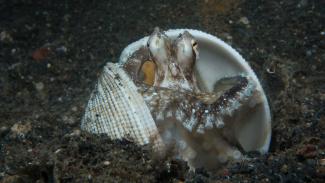
Negros Island is a large island in the Visayas. It’s eastern shore is separated from Cebu by a narrow channel, while it’s west coast faces the Sulu Sea. Much of the diving is in the south of the island.
Like many of the Philippines dive spots, it is blessed with the combination of big fish encounters and fascinating smaller critters that will keep avid divers happy for many dives.
Boracay
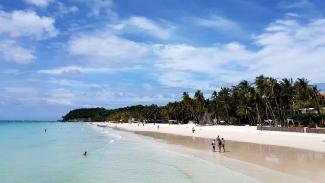
Just off the northern tip of Panay Island, south of Mindoro is the small island of Boracay.
Famed for its white, powder sand beaches - reputed to be some of the world’s best - Boracay is one of the Philippines’ most famous tourist spots and is now open to visitors once again.
The island is also one of the most popular places to learn to dive in the Philippines, with a wide range of dive sites to suit all levels.
Anilao