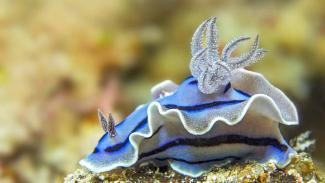
Our guide to the best diving in Raja Ampat
Surita Budiman
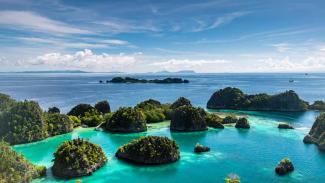
Raja Ampat is located on the remote north-western tip of Western Papau in the Halmahera Sea, and fittingly means 'four kings'. It is the most biologically diverse place known to science.
With such natural riches, scuba diving in Raja Ampat is some of the best in the world, particularly for diving on coral reefs. There are some excellent diving resorts in Raja Ampat, but the area is best known for its liveaboard diving.
Due to the vibrant coral reefs, it is also an increasingly popular destination with adventurous snorkelers.
Highlights


Best diving spots
Misool is one of Raja Ampat's many gems. Huge, almost constant schools of fish engulf divers as they drift along Misool's coral reefs, while hundreds of different corals and sponges compete for space and hide a myriad of smaller creatures, including various species of Pygmy Seahorse. Farondi Island just to the east is one of Misool's top diving spots, with spectacular limestone walls and plenty of tunnels and caverns to explore.
At Mansuar, Turtle encounters are common and visiting Manta Rays bring even bigger smiles to diver’s faces. To the east of Mansaur, little Kri Island has excellent diving, while for big-fish encounters, Cape kri is a must. Schools of Snapper & Fusilier engulf divers, who are likely to encounter huge Queensland Groupers, Barracuda, Turtles, Sharks and maybe even Mantas on during their dive. Nearby, Mellisa's Garden is a beautiful shallow reef that is very popular with photographers. Lovely soft corals & tunicates abound, while Sharks & Groupers are often found resting on the reef.
Looking for the latest liveaboard deals in Indonesia? Find your deal
Farther north in Raja Ampat is The Passage. This diving site is little more than a narrow crack separating two islands, but underwater it is spectacular. Mind-boggling numbers and varieties of fish call this narrow passage home, including many larger species. The topography is fascinating too, with boulders, caves and overhangs hiding all manner of life.
Due to the remote location and lack of population pressures, Raja Ampat has never been heavily or destructively fished and the coral reef’s are absolutely pristine.
When to dive
The best time to visit Raja Ampat, particularly for liveaboards, runs from December through to March or April. Raja Ampat's dive resorts can be visited all year. July known for windier conditions and rougher seas, however the region offers world-class diving opportunities throughout the year. The size and unique geography of the area producing a number of micro-climates, with slightly differing opportunities for north and south Raja Ampat.
Getting there
Raja Ampat can be reached by flying to Sorong on mainland Papua, which has flights to & from Jakarta, Indonesia's capital and Manado & Makassar in Sulawesi. Most liveaboards start from Sorong, while resorts can arrange transfers to resorts for an additional charge.
Activities
Aside from diving, things to do in Raja Ampat include boat trips to take in the area's majesty, relaxing on the beach or trying a little bird-watching. It is not necessary to be a scuba diver to enjoy Raja Ampat's coral reefs, snorkelling in Raja Ampat is excellent too, and increasingly popular.
Resort and liveaboard options
Due to the size of the Raja Ampat region, it is an immensely popular liveaboard diving destination, with itineraries ranging from 7 to 12 nights on offer, and a wide range of vessels. Short itineraries often tour either the north or south of Raja Ampat, with longer itineraries taking in the entire area.
The main liveaboard diving season is from November through to March, however some liveaboards focus on the area throughout the year. Most liveaboards begin in Sorong, however some begin in Waisai on Waigeo Island. Either way, Sorong is your arrival point to the region.
We recommend the team at Liveaboard.com to find your perfect Raja Ampat liveaboard adventure.
Increasingly, resort options are also available offering a different experience, but equally impressive diving. Resorts range from barefoot luxury such as the famous Misool Island Resort to relatively simple homestays and guesthouses. It is important to ensure there is a good dive centre on-site.
You might also enjoy...
Tubbataha Reef
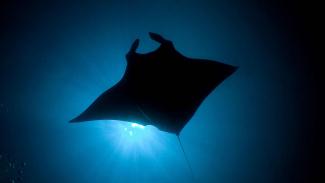
Tubbataha Reef in the Philippines may be the country's most famous diving spot, certainly for larger marine life. This small group of islands and atolls that give their name to the Tubbataha Reef National Park lie at the centre of the Sulu Sea.
The depth of the sea brings cold, nutrient rich waters to the surface around these remote atolls. This brings not only large marine life, but a huge biodiversity too.
Tufi
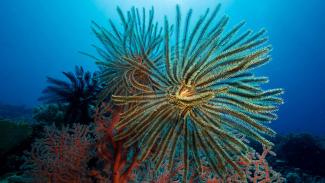
The Tufi region of PNG is without doubt one of its most beautiful. Situated on the northern coast of the mainland, the area has numerous stunning fjords, stretching like huge fingers from the mainland to the sea.
The calm waters of the fjords are home to incredible macro life, and also some wrecks, while many outward facing sites have world class reefs and a wide array of large pelagics to admire.
Boracay
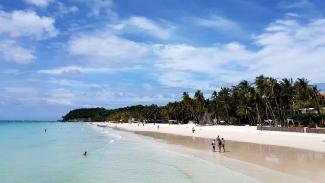
Just off the northern tip of Panay Island, south of Mindoro is the small island of Boracay.
Famed for its white, powder sand beaches - reputed to be some of the world’s best - Boracay is one of the Philippines’ most famous tourist spots and is now open to visitors once again.
The island is also one of the most popular places to learn to dive in the Philippines, with a wide range of dive sites to suit all levels.
Sipadan & Mabul Island
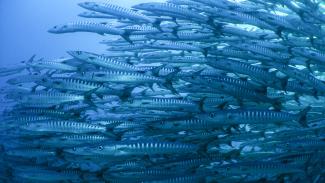
Sipadan is Malaysia’s most famous diving spot. Nearby, Mabul Island offers more excellent diving for smaller marine life, and a good choice of dive resorts.
These nutrient-rich waters attract huge numbers of Turtles, while the area is also home to large number of White-tip Reef Sharks, Bumphead Parrotfish, Trevally and Barracuda.
East Kalimantan
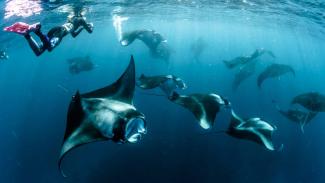
On the east coast of Kalimantan, a little south from the world famous Sipadan area, are more equally impressive, but less well-known islands & reefs.
These difficult to reach dive sites are now beginning to open up to divers - and the intrepid travelers who make it this far will not be disappointed.
Alor